
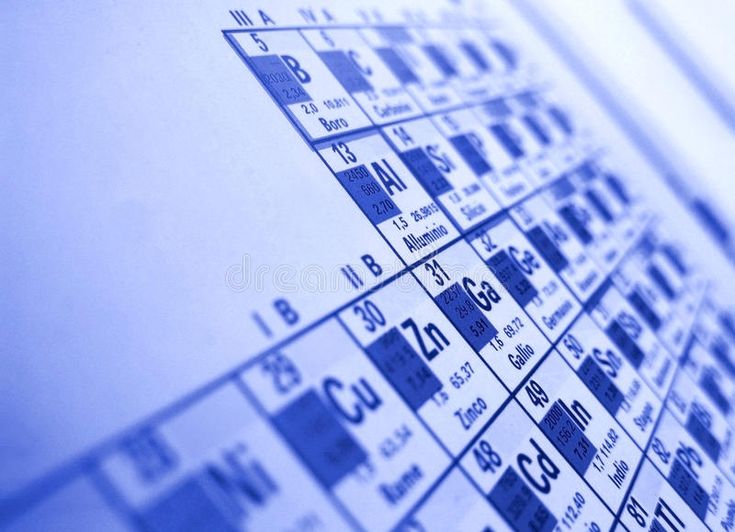
The Periodic Table of Elements is like a big map of all the chemical elements known to science. It helps scientists and students understand how elements behave and interact.
1. What are Elements?
Elements are substances that cannot be broken down into simpler substances. Each element has a unique atomic number, which is the number of protons in its nucleus.
2. Structure of the Periodic Table
-
Rows are called periods.
- There are 7 periods.
- Elements in the same period have the same number of electron shells.
-
Columns are called groups or families.
- There are 18 groups.
- Elements in the same group have similar chemical properties.
3. Types of Elements
- Metals – Found on the left and middle of the table. Good conductors of heat and electricity, shiny, and malleable.
- Non-metals – Found on the right side. Poor conductors, not shiny, and brittle.
- Metalloids – Found along the zig-zag line. They have properties of both metals and non-metals.
4. Special Groups
- Group 1: Alkali Metals – Very reactive metals (like sodium and potassium).
- Group 2: Alkaline Earth Metals – Less reactive metals (like calcium and magnesium).
- Group 17: Halogens – Very reactive non-metals (like chlorine and fluorine).
- Group 18: Noble Gases – Inert gases that rarely react (like helium and neon).
5. Why the Periodic Table is Useful
- It shows patterns in element properties.
- It helps predict how elements react with each other.
- It organizes elements in a way that makes learning chemistry easier.